I. Routine Cleaning and Disinfection
1. Cleaning After Each Use
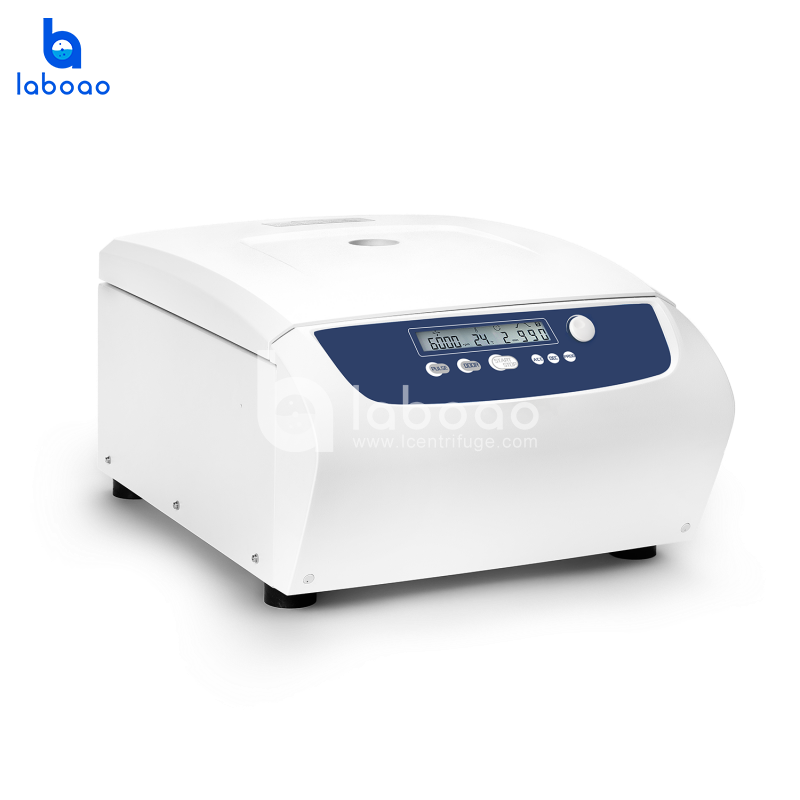
Remove the rotor and use a neutral detergent (such as soapy water) along with a soft cloth to wipe down the inner chamber, the rotor, and the centrifuge tube sleeves, paying special attention to removing any sample residues.
After cleaning, thoroughly wipe the metal components dry to prevent oxidation and corrosion.
If strong acidic or alkaline substances have been separated, immediately neutralize and clean the unit using a 10% sodium bicarbonate solution. If the unit has come into contact with pathogenic samples, disinfect it by fumigating with a 0.5% peracetic acid solution for 30 minutes.
2. Handling Special Situations
If a glass tube breaks during centrifugation, all debris must be removed from the chamber and tube sleeves. You may apply a layer of Vaseline to the upper section of the chamber, run the rotor for a few minutes to allow the debris to adhere to the Vaseline, and then remove it.
For refrigerated models, open the lid after use to wipe away any condensation and allow the unit to air dry naturally.
II. Component Inspection and Replacement
1. Rotor Inspection
Before each use, verify that the rotor is securely installed and shows no signs of looseness or cracks.
Periodically inspect the rotor surface for scratches or corrosion pits measuring 0.5 mm or larger; use a thickness gauge to measure the wall thickness of aluminum alloy rotors to detect any material loss.
If corrosion or cracks are discovered, replace the rotor immediately to prevent accidents during high-speed operation.
2. Seal Ring and Door Lock Inspection
Quarterly, inspect the elasticity of the lid seal ring. If its elongation rate falls below 30% or if cracks are present, replace it immediately and apply a silicone-based lubricant.
Verify that the door locking mechanism is securely engaged to prevent accidental opening during centrifugation.
3. Electrical Component Inspection
Before starting the unit, check the power cord for any damage or potential electrical leakage hazards. Periodically use a multimeter to measure the ground resistance value (which should be ≤ 4Ω). During motor operation, monitor for any abnormal noise or vibration, and promptly replace worn carbon brushes (a replacement interval of 3,000 hours is recommended).
III. Lubrication and Maintenance
1. Lubrication of Moving Parts
Apply specialized grease (e.g., Beckman Model 306812) to moving components such as the drive shaft and bearings; manually rotate the assembly to ensure uniform lubrication.
For refrigerated models, clean dust accumulation from the condenser fins monthly and check the compressor oil level. The refrigerant pressure should be maintained within the standard range of 0.4–0.6 MPa.
2. Rotor Maintenance
Periodically treat the rotor, buckets, and sleeves with a specialized polishing agent (e.g., Model 70104) to prevent corrosion.
If the unit is to remain unused for an extended period, apply grease to the interface between the rotor and the drive shaft to prevent seizing or shaft deformation.
IV. Safe Operating Procedures
1. Sample Balancing
Accurately weigh samples prior to centrifugation to ensure that the mass difference between opposing positions is ≤ 0.1 g; this prevents equipment imbalance and subsequent abnormal vibration. The rotor must be lowered or lifted gently and vertically to avoid impact damage to the drive shaft or the rotor itself.
2. Emergency Response
If vibration amplitude exceeds 5 mm or noise levels exceed 85 dB during operation, immediately activate the emergency stop function. Investigate potential causes, such as rotor imbalance or bearing damage. If the lid fails to open automatically, it may be opened manually.
V. Environmental Control
1. Placement Environment
The centrifuge must be placed on a sturdy, stable, and level surface. Ensure adequate clearance around the unit's housing to facilitate proper ventilation.
The workspace should be kept neat, clean, and dry, avoiding direct sunlight or high-temperature environments.
2. Long-Term Storage Management
If the unit has been out of use for an extended period, open the centrifuge lid for a period of time prior to reuse to allow the internal chamber to dry out.
During periods of inactivity, cover the unit with a plastic dust cover and store it in a dry indoor environment free from corrosive gases.
VI. Record-Keeping and Management
1. Maintenance Records
Establish a digital maintenance log to record key parameters for each service event, such as speed deviation values, rotor wear status, and lubricant replenishment quantities.
Implement a QR code-based asset management system to enable intelligent reminders for component replacement cycles.
2. Regular Calibration
Verify the deviation between the actual rotational speed and the set value using a photoelectric tachometer (error tolerance: ≤ ±2%); for refrigerated models, the accuracy of the temperature control system must be calibrated concurrently.
Conduct quarterly checks on the sensitivity of the control panel buttons and replace aging power cord assemblies.